



 to add an item to your Itinerary basket.

Reading’s Best Listed Buildings
1st March 2026
Reading’s streets are full of history, from medieval ruins and Gothic churches to charming Georgian streets and civic landmarks. There are over 500 listed buildings in the town alone! Whether you’re a history lover, architecture fan or simply curious about the stories behind the town’s oldest buildings, there’s plenty to explore. Here’s a guide to some of our favourite listed buildings in and around Reading.
Grade I
.jpg)
Abbey Gate
One of the few surviving structures from the great medieval Reading Abbey complex, Abbey Gate once marked the threshold between monastic life and the world beyond. This striking gateway has been restored and stands as a reminder of Reading’s importance in the 12th century and beyond. Did you know that this was also where Jane Austen went to school?
St Laurence's Church
Dating back to the Norman period, this Grade I listed church sits beside the abbey site and has stood witness to nearly a thousand years of Reading’s story. Its architecture and historic interior make it a fascinating stop on any heritage walk.
.jpg)
Reading Minster of St Mary the Virgin
Often simply known as St Mary’s, this ancient parish church is one of Reading’s oldest places of worship. Its Grade I status reflects its long history and the many architectural layers, from medieval origins to later additions.
Greyfriars Church
An extraordinary survival, Greyfriars Church was once part of a Franciscan friary and is now one of the most complete examples of Franciscan architecture in England still in use today. Its Grade I listing marks both its rarity and its historical significance.
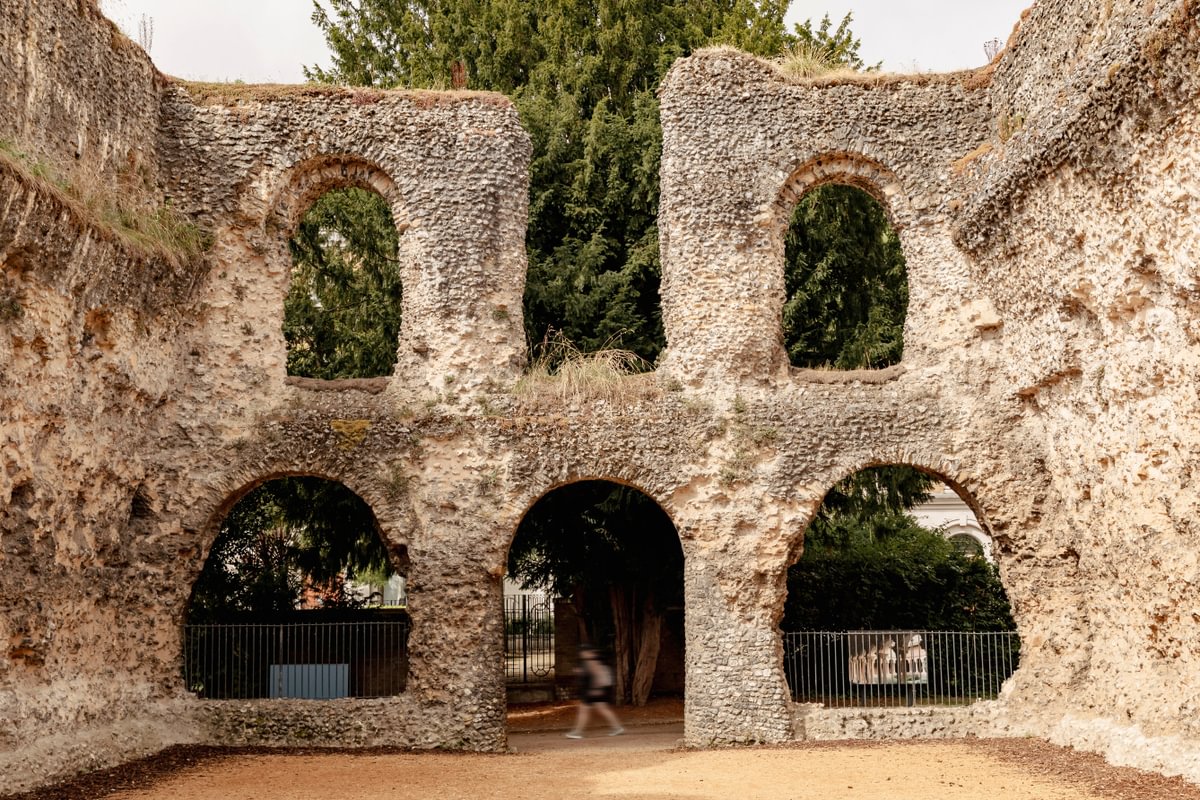
Reading Abbey Ruins
The ruins of Reading Abbey — once one of medieval England’s grandest monastic complexes — are Grade I listed and form one of the most atmospheric heritage sites in town. Wandering among the surviving walls and foundations gives a real sense of the abbey’s former scale and importance.
Mapledurham House
Mapledurham House is a stunning Elizabethan family home tucked beside the Thames in the nearby picturesque village of Mapledurham. With origins in the 16th century and historic interiors preserved down the generations, it’s a Grade I listed estate that beautifully complements Reading’s urban heritage with rural charm.
.jpg)
© National Trust, Basildon Park
Basildon Park
Just a short drive west of Reading you’ll find Basildon Park, one of the finest Palladian houses in Berkshire and another Grade I listed treasure. Built between 1776 and 1783, this elegant country house is owned by the National Trust and surrounded by beautiful gardens and estate land, making it a perfect heritage day out.
Grade II
While Grade I buildings represent the most exceptional heritage sites, Reading’s Grade II listed buildings are equally rewarding to discover. These buildings are recognised for their special architectural and historic interest, and there are plenty worth seeking out.
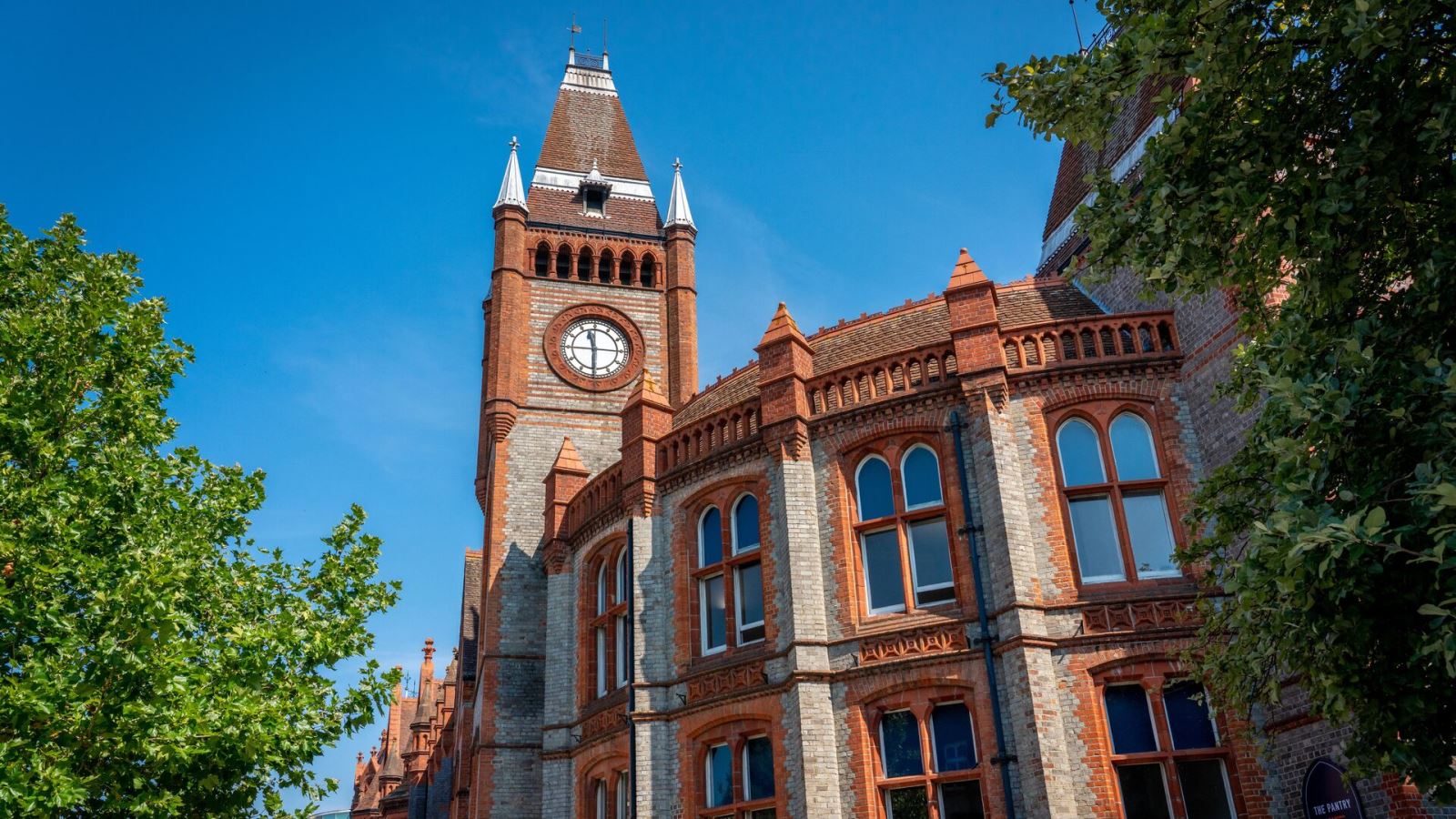
Reading Town Hall
Beyond its impressive clock tower, Reading Town Hall is an elegant Victorian civic building. Inside, visitors can admire the historic Father Willis organ from 1864 and explore Reading Museum housed within, which tells the town’s story through artefacts, art and exhibitions.
Watlington House
One of the oldest surviving secular buildings in Reading, Watlington House is a late 17th-century Grade II* listed building that adds another layer to the town’s architectural story.
Foxhill House
Located on the Whiteknights campus of the University of Reading, Foxhill House is a striking Gothic Revival building. Its Grade II* status reflects its architectural quality and importance in the town’s heritage.
.jpg)
Church of St James
St James Church is a beautiful Grade II listed parish church with Gothic details and historic charm. It’s also connected to the St James’ Way pilgrimage route, linking it to a wider network of spiritual and historic sites across England, making it a fascinating stop for heritage and walking enthusiasts alike.
Ready to Explore?
From towering church spires to hidden barns, Reading’s listed buildings reveal the many layers of the town’s past. Ready to explore? Lace up your walking shoes and start discovering Reading’s architectural treasures.
For more resources and opportunities to celebrate Reading’s architecture, explore our Georgian Walk map, book a free ticket onto one of Reading University’s Centenary Walks throughout 2026 and mark your calendars for local Heritage Open Days coming up on 11-20 September!