



My Planner
My Planner
To build your own Itinerary, click  to add an item to your Itinerary basket.
Already saved an Itinerary?


 Reading Year of the Normans
Searching for something...
-
Accommodation
-
Things to Do
-
Food & Drink
-
Shopping
Accommodation Search
Things to Do Search
Food & Drink Search
Shopping Search
2027 will see celebrations of 1000 years since the birth of William the Conqueror who famously became King of England following the Battle of Hastings in 1066.
The international MILLENIUM 2027 European Year of the Normans programme will feature an ambitious series of events in Normandy and across nine European territories. Reading has been selected to be part of these official celebrations.
Norman Reading
Although Reading was first settled by Saxons, it owes its layout and oldest visible history to the Normans. In 1121, 55 years after the Battle of Hastings, King Henry I, William the Conqueror’s youngest son, announced plans to build a mighty royal abbey in Reading. He died in France before his Abbey was complete but his body was returned to England and he was buried in front of the high altar of Reading Abbey in 1136.
Throughout medieval times, Reading was the site of a great royal Abbey and one of the largest monasteries in Europe. The Abbey developed the town, laying out new streets and properties including a number of its present-day streets. Read more about Norman Reading.
What’s on in 2027
William the Conqueror, a new play
RABBLE Theatre (Telegraph Top 5 & Guardian Top 20 UK Show) are developing a bold new stage production that tells the extraordinary life of William the Conqueror. The play is being developed here in Reading for a national tour of the UK in autumn 2027, with major partners including Visit England, British Council and Arts Council England, as well as France’s Région Normandie and In Itinere Collectiv. The tour starts on 17 September and runs until 13 November, taking in Reading, Exeter, York, Winchester, Peterborough, Canterbury, New Wolsey, North Devon and Chicester.
“This is a world of invasion, ego-male leadership and migration. And so was 1066. William the Conqueror is astonishingly relevant and RABBLE’s production will be expanding on those similarities, whilst staying true to the historical story.
“Packed with physicality, the play embraces the influences of parkour to capture the dire sense of overwhelm that warriors would have felt in the midst of war. Illusion and stage trickery will play an important part in capturing the vulnerability of a man tormented by vengeful paranoia.
“As with all of RABBLE’s work, the story places women centre stage and ensures diverse representation throughout the company.”
Reading Abbey Ruins
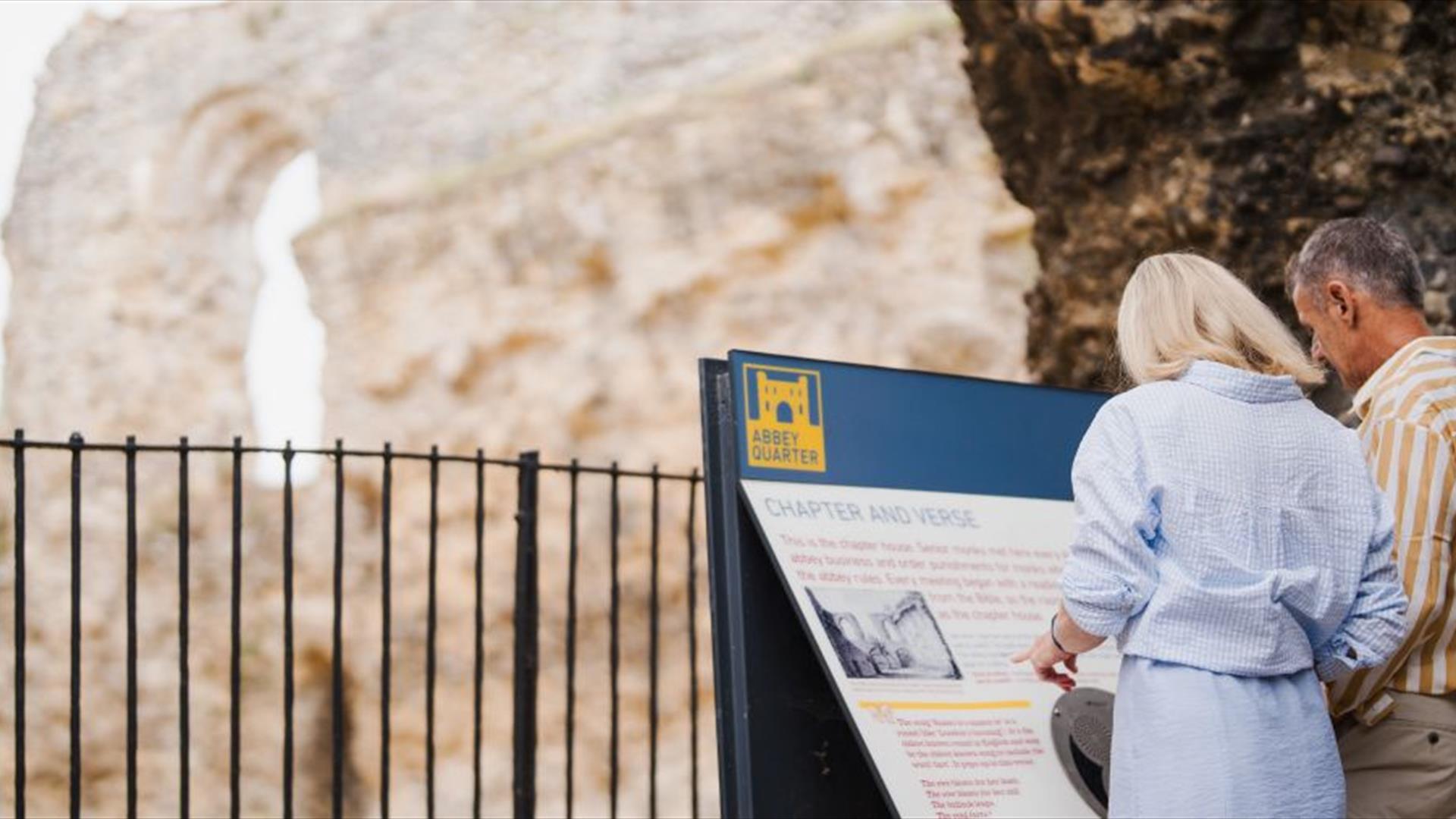
Reading Abbey was built by King Henry I of England, son of William the Conqueror, to be his mausoleum. The ruins of the Norman Abbey are at the heart of the modern-day town. In 1121, 55 years after the Battle of Hastings, William the Conqueror’s youngest son, Henry, announced plans to build a mighty royal abbey in Reading. Henry had become King of England following the death of his father and that of his older brother William II.
He chose a site on high ground between the River Kennet and River Thames and after his death in France his body was returned to England to be buried in front of the high altar of Reading Abbey in 1136. It took until 1164 to complete the construction of the Abbey. The Abbey was dissolved by Henry VIII in 1539 and was severely damaged during the English Civil War.
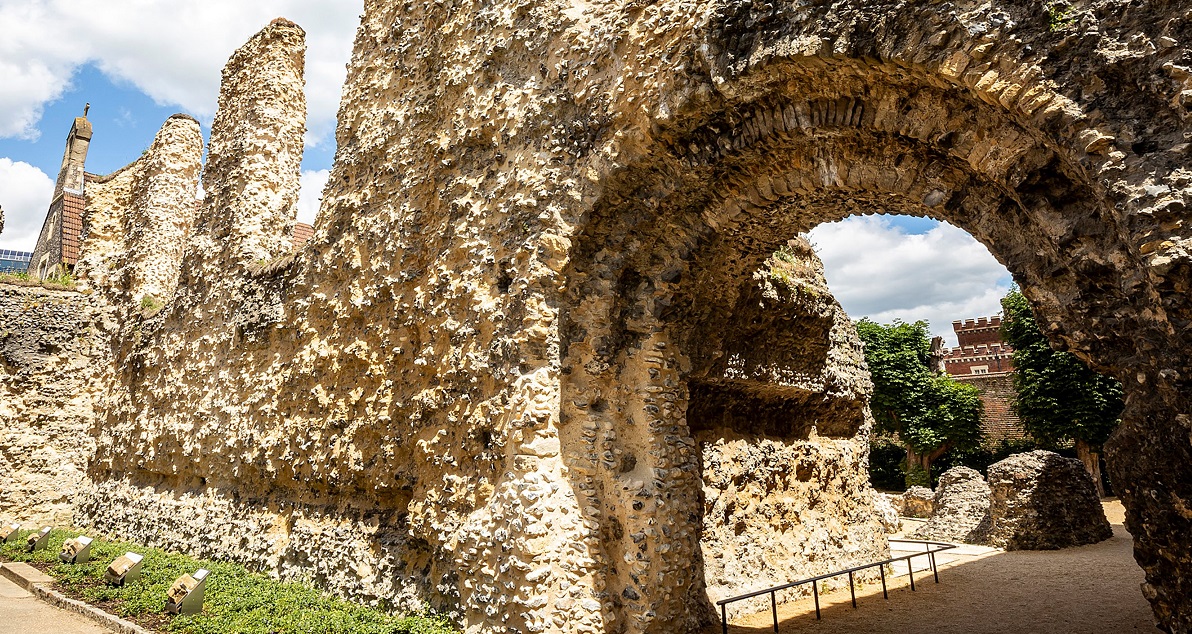
Today, the ruins are open to the public and Reading Museum conduct guided tours every Saturday April to October.
Britain’s Bayeux Tapestry
Britain’s Bayeux Tapestry is the only full-scale replica of the original Norman tapestry. It was created 140 years ago by a group of Victorian women from Staffordshire and has resided in Reading Museum for over a century. Measuring 70 metres in length, it is identical to the original in almost every aspect.
The tapestry, which like the original isn’t really a tapestry at all but an embroidery, found its permanent home in Reading Museum in 1895 when the Mayor of Reading bought it for the town from its creators, the Leek Embroidery Society at the end of its world tour.
The tapestry was stitched by 35 Victorian ladies mostly from Leek (Staffordshire) based on tracings from full-size hand-coloured photographs in the Victoria & Albert Museum. It is the only full-scale exact replica of the original tapestry and fills two specially designed galleries in Reading Museum.
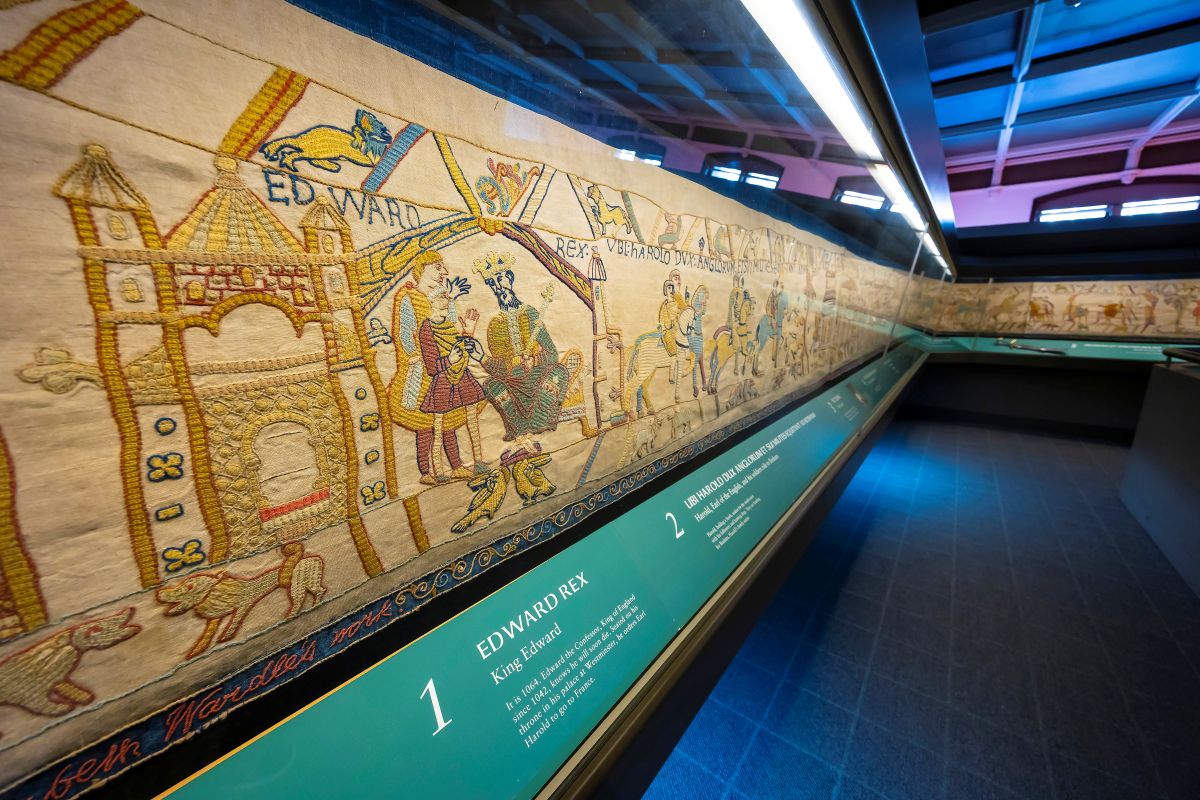
Reading Museum provides free access to Britain’s Bayeux Tapestry and all the Museum galleries from Tuesday to Saturday. Special guided tours of the tapestry by Museum staff take place every Tuesday, Thursday and Saturday afternoon.
 Follow us on social media



© Visit Reading 2026. All Rights Reserved